Yoto Review: A Screen-Free Audio Experience Designed for Curious Kids
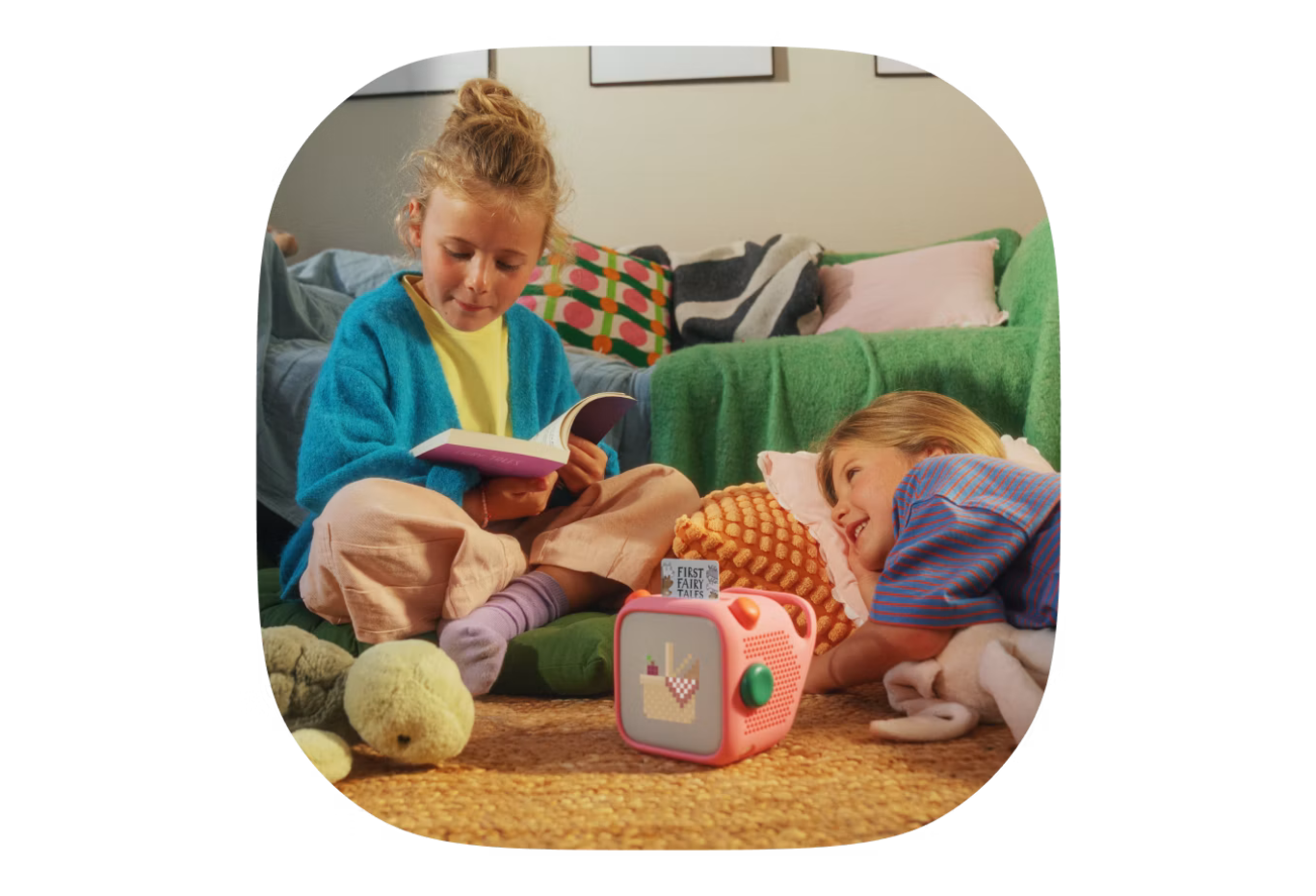
Keeping children entertained without constantly relying on phones, tablets, or television can be challenging. Yoto offers a different approach by putting stories, music, learning, and other audio content into a child-friendly physical player that does not require a screen to enjoy.
The brand has developed a distinctive ecosystem around its audio players and cards, giving children more control over what they listen to while allowing parents to manage settings through the Yoto App. With options for younger children as well as older listeners, Yoto is designed to become part of everyday routines rather than simply functioning as another toy.
What Is Yoto?
Yoto is a screen-free audio platform created specifically for children. Its main products are the Yoto Player and Yoto Mini, supported by a large library of physical audio cards and digital content.
The current Yoto platform features more than 1,000 stories, songs, and podcasts, including well-known children's characters as well as Yoto Originals. Content is organized for different ages and interests, making it possible for the experience to evolve as children grow.
The Idea Behind Screen-Free Entertainment
One of Yoto's biggest attractions is its simplicity.
Instead of asking children to navigate menus on a tablet, they can choose a physical card, insert it into the player, and begin listening. The tactile controls allow children to adjust volume and move between tracks or chapters without needing a touchscreen.
For parents looking to reduce screen time while still giving children access to engaging entertainment, this approach can feel refreshingly straightforward.
Yoto Player: The Main Home Companion
The Yoto Player is designed to be the more versatile option for home use. It combines audio playback with features intended to support everyday routines.
Depending on the content and setup, children can listen to stories, music, podcasts, and educational material. The player also includes features such as a night light, sleep timer, white noise, and a wake-up clock.
This combination makes the device useful beyond simple entertainment.
Yoto Mini for Listening on the Go
The Yoto Mini takes the same basic concept and puts it into a smaller, more portable design.
The current 2024 Yoto Mini is designed for travel, with kid-friendly controls, a pixel display, Bluetooth speaker functionality, and a battery rated for up to 14 hours of playback per charge. It can also work with wired and Bluetooth headphones.
Its compact size makes it particularly practical for road trips, flights, vacations, and other situations where carrying a larger device may be inconvenient.
Physical Cards Make the Experience Different
Yoto's physical cards are one of the most recognizable parts of the system.
A child chooses a card and places it into the player. The physical interaction makes the process easy to understand and gives children a sense of ownership over their listening choices.
The card library covers multiple categories, including stories, music, learning, podcasts, and activities. Because cards are available for different age groups, families can gradually introduce more advanced content as children grow.
A Large Library for Different Interests
A major advantage of Yoto is that the player itself is only one part of the overall experience.
The wider content ecosystem provides options ranging from classic children's stories and music to educational material and podcasts. Current Yoto content includes recognizable properties such as Disney and Peppa alongside original programming.
This variety can help prevent the device from becoming repetitive after the initial excitement wears off.
Designed to Grow With Children
Yoto is not limited to one narrow age group.
The brand currently organizes content for children from very young ages through the pre-teen years and beyond. Younger listeners might start with songs and simple stories, while older children can move toward longer audiobooks, chapter books, podcasts, and more detailed educational content.
That progression is one of the more appealing aspects of the platform because the same player can remain relevant for several stages of childhood.
Encouraging Independent Choices
Yoto's design gives children an opportunity to make their own listening decisions.
Instead of asking an adult to find a video or select something from a streaming service, children can choose from their own collection of cards. They can insert a card, adjust the volume, and navigate content using physical controls.
This simple interaction can make listening feel more independent while keeping the experience relatively easy to manage.
The Yoto App Gives Parents More Control
Although the player itself is intentionally simple, parents can use the Yoto App for additional controls and management.
The app can be used during setup and for features such as managing bedtime and wake-up routines, exploring free audio, and adjusting player settings.
This creates a useful balance between child-friendly hardware and parent-oriented controls.
Useful Features for Bedtime
Yoto can also become part of a child's nighttime routine.
The platform offers sleep sounds, white noise, timers, and wake-up features. The Yoto Mini, for example, includes an OK-to-wake clock that can signal when it is time to get up.
For families who want a consistent bedtime routine without leaving a television or tablet running, these audio-focused tools provide another option.
Travel Is One of Yoto's Strongest Use Cases
Portable entertainment becomes especially valuable during long journeys.
The Yoto Mini was specifically positioned by the brand as a travel companion, with its compact size, physical cards, offline listening capabilities, and long battery life. Yoto has highlighted use cases including road trips, flights, and other family adventures.
Because children can control much of the listening themselves, parents may not need to constantly hand over a phone or tablet to keep them occupied.
Offline Listening Adds Convenience
Yoto is not dependent on a constant internet connection for every listening session.
The setup process connects the player to Wi-Fi, after which content can be downloaded onto its internal storage. Yoto's support guidance specifically recommends downloading cards to the player when preparing it for gifting or situations where Wi-Fi may not be available.
That can be particularly useful for travel.
No Camera or Microphone on Yoto Mini
Privacy is another part of the platform's positioning.
The current Yoto Mini product page states that the device has no microphone and no camera, while also describing it as an ad-free audio player.
For parents who prefer children's devices to remain focused on audio rather than cameras, social features, or video, this minimalist approach may be appealing.
Yoto Without Constant Notifications
Unlike smartphones and tablets, Yoto is not built around apps, notifications, scrolling feeds, or video recommendations.
The physical-card system creates a more focused listening experience. A child chooses something to hear and then simply listens.
That can make Yoto feel less like a traditional piece of consumer electronics and more like a modern interpretation of the classic children's radio or story player.
Audio for Learning and Discovery
Yoto is not only about entertainment.
The platform includes educational content, podcasts, activities, music, and stories. Depending on the child's age, listening can cover everything from early learning and songs to longer-form stories and factual material.
This variety gives parents more opportunities to use the player during quiet time, independent play, travel, or family routines.
Make Your Own Content
Another interesting part of the Yoto ecosystem is the ability to create or use personalized content.
The platform supports Make Your Own cards, allowing families to build cards around their own audio choices. This can make the system more personal and potentially useful for family recordings, playlists, or other selected content.
It also gives parents another way to keep the physical-card concept relevant beyond the official card library.
A Good Fit for Independent Play
Yoto's overall design philosophy works particularly well for independent listening.
The player does not require children to read complicated menus or operate a sophisticated touchscreen. Physical buttons and cards make the core experience relatively intuitive.
For younger children, an adult may still need to help with setup and content selection, but the everyday listening process is designed to be child-friendly.
Yoto for Different Ages
The platform can be approached differently depending on a child's age.
Younger Children
Simple songs, nursery content, familiar characters, and short stories can provide an accessible introduction to audio.
School-Age Kids
Longer stories, educational content, music, and podcasts can become more interesting as children develop their attention span and interests.
Older Children
Chapter books, more complex stories, podcasts, and longer-form content can help the player remain useful beyond the toddler years.
This age flexibility is one reason Yoto positions its system as something that grows with children rather than being a short-term entertainment gadget.
Build Quality and Child-Friendly Design
Yoto's hardware is clearly designed with children in mind.
The controls are large and tactile, while the physical cards make the primary interaction straightforward. The Yoto Mini adds portability without abandoning the basic card-and-player concept.
Its pixel display also provides simple visual feedback without turning the product into a traditional screen-based entertainment device.
What Parents May Appreciate
From a parent's perspective, several aspects of Yoto stand out:
· Screen-free listening
· Physical content cards
· Child-friendly controls
· Parent controls through the app
· Offline playback after content is downloaded
· Portable listening with Yoto Mini
· Bedtime and wake-up features
· A broad range of age-appropriate content
· No camera or microphone on Yoto Mini
· No advertising within the listening experience
Together, these features make Yoto a different proposition from handing a child a smartphone or tablet.
Things to Consider Before Buying
Yoto's biggest advantage can also be its main limitation: the experience is centered around audio.
Children who primarily want video games, animated content, or visual entertainment will obviously find the platform less engaging than a tablet.
There is also an ongoing content ecosystem to consider. While the player provides access to built-in and app-based features, families interested in expanding their physical library may want to budget for additional cards.
Parents should also choose cards according to age recommendations and the child's interests so that the content remains engaging.
Yoto Mini vs. Yoto Player
Choosing between the two main players largely depends on how the device will be used.
The Yoto Player makes sense as a more permanent home companion, particularly for bedtime, quiet time, and regular listening.
The Yoto Mini is better suited to families who prioritize portability. Its compact form and up to 14-hour battery make it particularly convenient for travel and listening away from home.
For some families, owning one of each could make sense, but choosing one player first is a practical way to see whether the Yoto concept fits your child's routine.
Who Is Yoto Best For?
Yoto may be especially appealing to:
· Families looking for screen-free entertainment
· Parents trying to reduce reliance on tablets and phones
· Children who enjoy stories and music
· Kids who like making their own choices
· Families who travel frequently
· Parents looking for audio-based bedtime routines
· Children who enjoy audiobooks and podcasts
· Families interested in educational audio content
Overall Impression of Yoto
Yoto takes a relatively simple idea and develops it into a complete children's audio ecosystem.
The combination of physical cards, tactile controls, portable hardware, a large content library, and parent-focused app features gives the platform a distinctive identity. It does not try to replace every form of children's entertainment. Instead, it focuses on making audio more interactive, accessible, and independent.
The Yoto Mini is particularly interesting for travel, while the larger Yoto Player fits naturally into bedrooms and family spaces.
Final Verdict: Is Yoto Worth Considering?
Yoto is an interesting alternative for parents who want to introduce more audio into their children's routines without relying heavily on screens.
Its physical cards make listening feel tangible, while the simple controls encourage children to choose and manage their own content. The combination of stories, music, podcasts, learning material, sleep features, and portable listening also gives the system plenty of flexibility.
The biggest reason to consider Yoto is its focused approach. Rather than trying to become another tablet, it creates a dedicated space for children's audio.
For families searching for a screen-free, child-friendly way to bring stories, music, learning, and independent listening into everyday life, Yoto is certainly worth exploring.